 Services
Expert
Software
DCX Analysis
Process
Projects
FAQ
Blog
Get In Touch
Services
Expert
Software
DCX Analysis
Process
Projects
FAQ
Blog
Get In Touch
Over 20 years of precision CFD Analysis, Data Center CFD, and Thermal Comfort Analysis — using commercially licensed ANSYS Fluent & DCX Cadence. A trusted Computational Fluid Dynamics practice delivering ASHRAE-compliant engineering studies across the USA, Canada & Europe. 100% remote delivery.
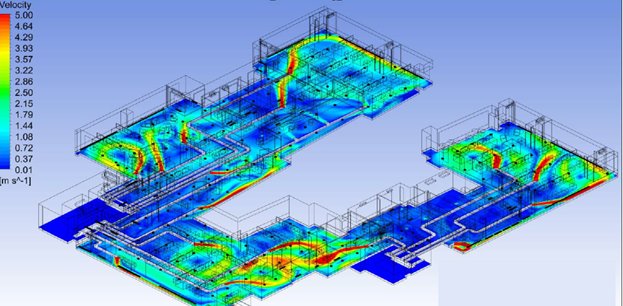
Precision CFD Analysis, Data Center CFD, Thermal Comfort Analysis, and Computational Fluid Dynamics services — delivered remotely using commercially licensed software with 20+ years of specialist expertise.
Human-centric CFD simulations for offices, hospitals, clean rooms, airports, and commercial buildings. Full PMV/PPD analysis delivering ASHRAE 55 and ISO 7730 compliance reports accepted by regulators worldwide.
Mission-critical thermal management for colocation, enterprise, and edge data centers. Identify hot spots, optimize airflow containment, and validate cooling infrastructure before costly deployment.
Comprehensive CFD Analysis services for clients across the United Kingdom, Germany, France, Netherlands, Ireland, Sweden, and all major European markets. Full EN and EU regulatory compliance.
Third-party CFD review and independent simulation verification for mechanical engineers, architects, and data center operators. Expert engineering reports accepted by planning authorities globally.
Every project uses ANSYS Fluent, DCX Cadence, and Rescale HPC — not student editions or freeware. Results stand up to regulatory scrutiny worldwide.
SuperDesignTech holds licensed expertise in both ANSYS Fluent — the industry standard for general CFD — and DCX Cadence, the specialist tool for data center thermal modelling. Few consultancies operate across both, giving our clients broader analytical capability and more defensible results.
Unlike generalist engineering consultancies, every project at SuperDesignTech is a CFD simulation — no distractions, no diluted expertise. Our CFD Specialists bring over 20 years of focused practitioner experience in Data Center CFD and Thermal Comfort Analysis CFD for North American and global clients.
We deliver ASHRAE 55, ISO 7730, ASHRAE TC 9.9, NECB, and EN 15251 compliant reports — meeting the regulatory and sustainability standards required by planning and building authorities across the USA, Canada, and Europe.

With over 20 years of specialized experience in Computational Fluid Dynamics for data centers and built environments, Rohit Sharma is a highly accomplished CFD engineer with deep expertise spanning the USA, Canada, and Europe. He brings focused, practitioner-level authority to Thermal Comfort Analysis services and Data Center CFD Analysis.
Rohit's approach combines rigorous simulation methodology with deep practical knowledge of real-world mechanical systems — from HVAC comfort optimization in commercial buildings to the complex, multi-rack thermal dynamics of hyperscale data centers. His work spans clients across the United States, Canada (including Ontario, BC, and Alberta), United Kingdom, Germany, and beyond.
His expertise in Europe CFD services makes him uniquely positioned to serve clients navigating the EU's increasingly stringent Green Deal and EN standards — all delivered fully remotely with impeccable precision.
Rohit received exclusive, hands-on DCX Data Center CFD software training in London — delivered directly by senior engineers at Future Facilities Ltd. (now Cadence). This rare, in-person certification places Rohit among a select global group of highly skilled DCX practitioners trusted to handle the most complex data center thermal projects.
Every project uses commercially licensed, vendor-supported software — ensuring validated results that meet the evidentiary standards required for engineering reports and regulatory submissions in the USA and Europe.
The industry-leading platform built specifically for Data Center CFD Analysis. Models complete facility environments with rack-level thermal fidelity, cooling unit interaction, and real-time what-if scenarios.
World-class general-purpose CFD solver used for Thermal Comfort Analysis and advanced Data Center CFD. High-accuracy turbulence modeling, heat transfer, and PMV/PPD multi-physics coupling.
High-performance cloud computing enabling large-scale, complex CFD simulations. Rapid turnaround on full-facility models that would require weeks on local hardware — ideal for large European and US projects.
Software: Licensed ANSYS Fluent
A structured, engineering-led workflow from initial brief to final validated simulation report — completed fully remotely, anywhere in the USA, Canada, or Europe. Our reports are structured to meet North American ASHRAE standards and, where applicable, Canadian NRC and NECB requirements.
Understand your facility, design intent, and specific thermal or airflow challenges.
Build or import accurate 3D geometry from CAD/BIM data with precise boundary conditions.
High-fidelity simulations using DCX Cadence, ANSYS Fluent, or Rescale HPC.
Thermal maps, airflow vectors, and performance metrics aligned with your specific goals.
Comprehensive engineering report with visualizations, findings, and design options.
Real screenshots from live DCX by Cadence projects — facility modelling, 3D geometry setup, and thermal result planes showing temperature gradients and airflow patterns across server racks.
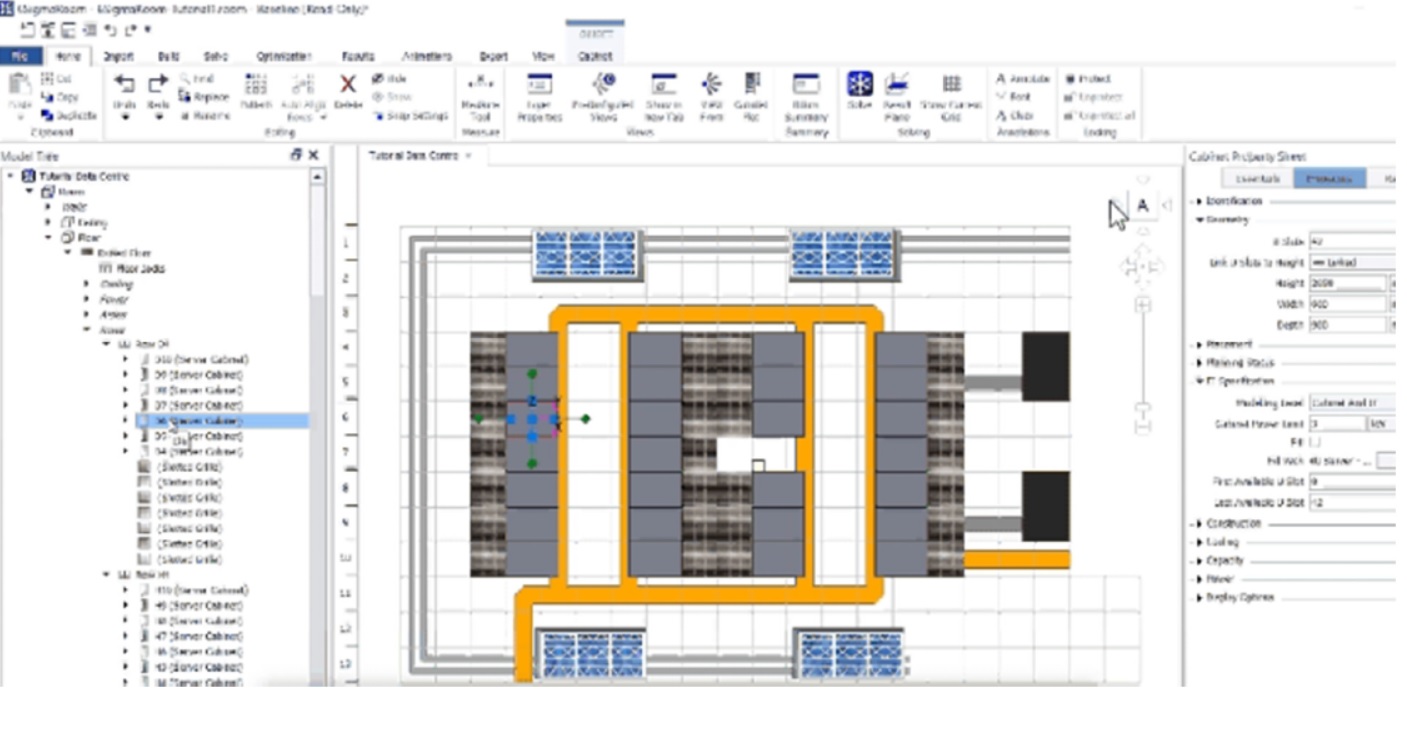
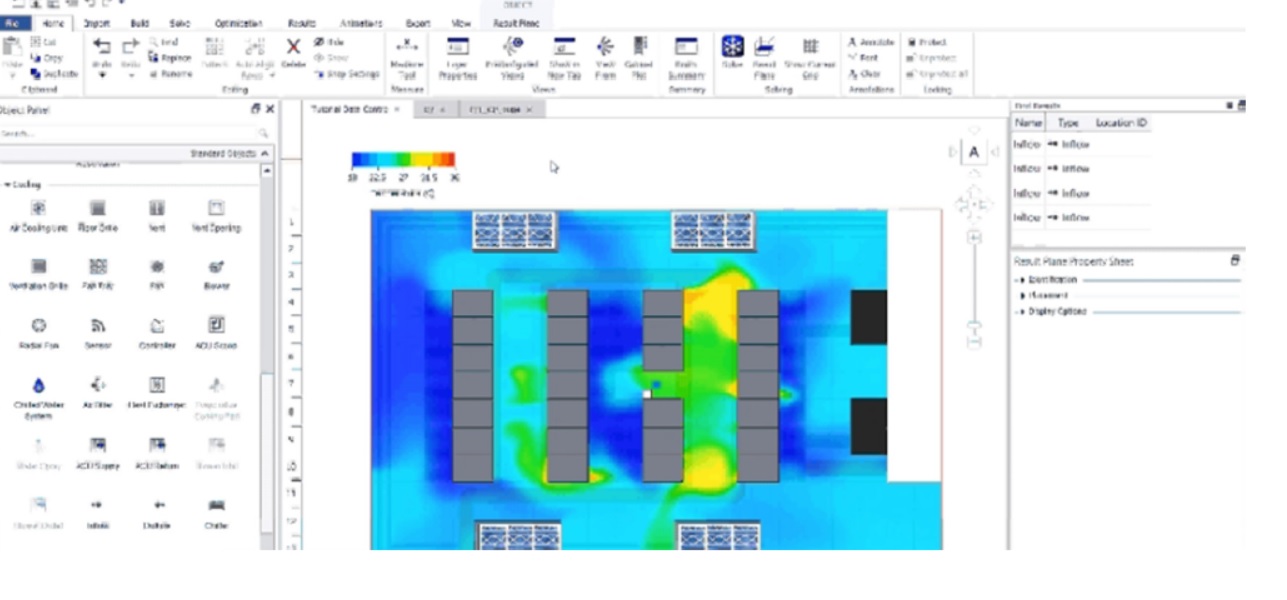
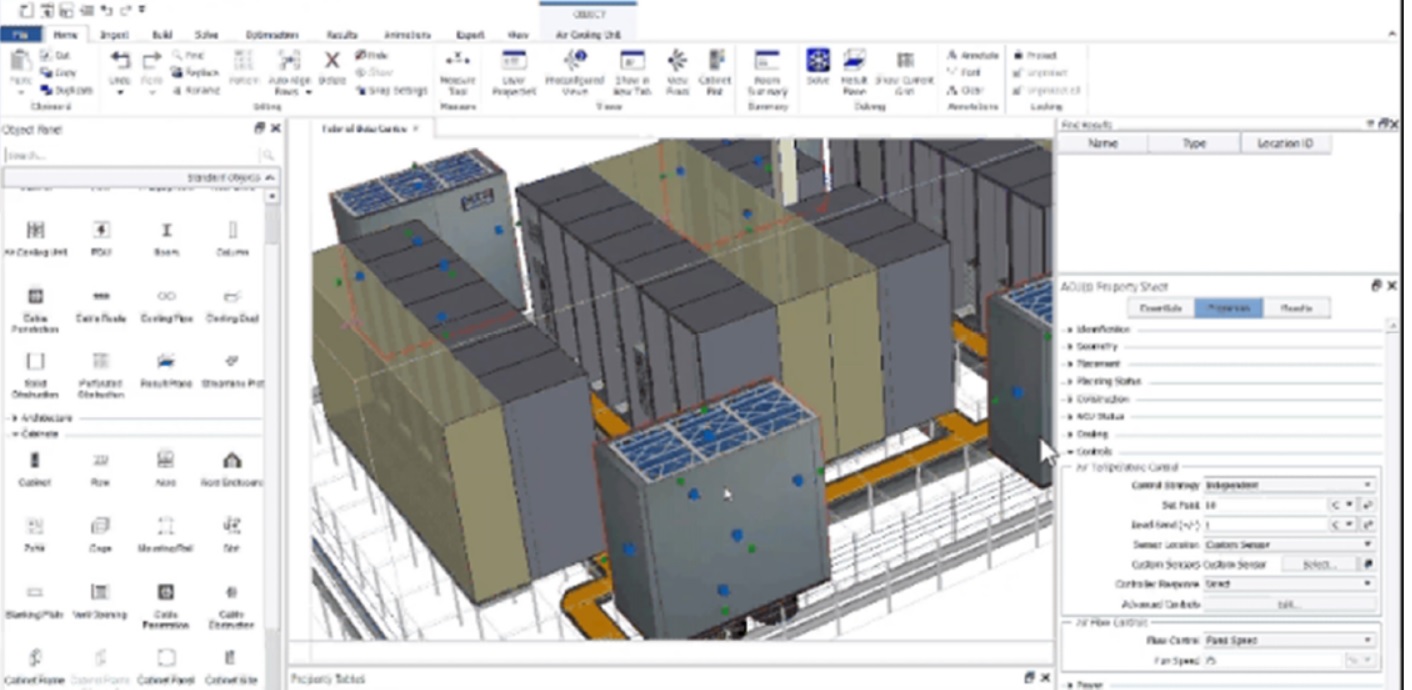
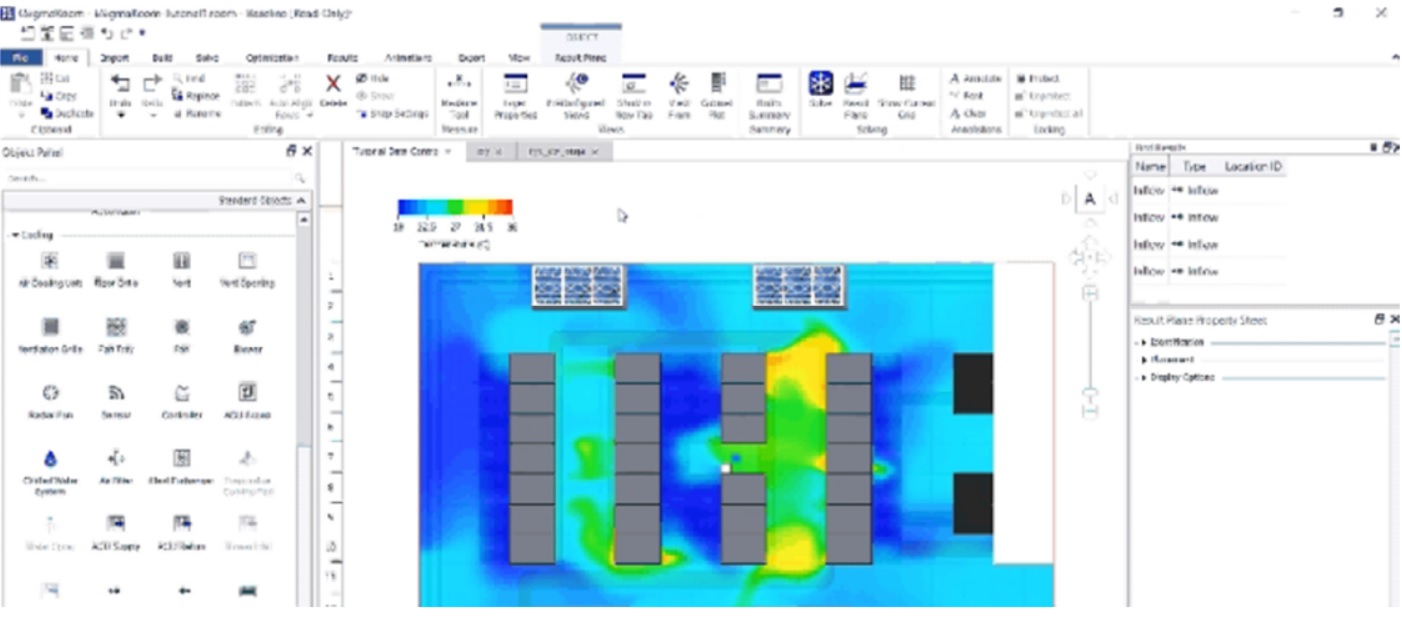
Visual outputs from Thermal Comfort Analysis and Data Center CFD projects — temperature contours, velocity fields, and facility-level thermal maps.
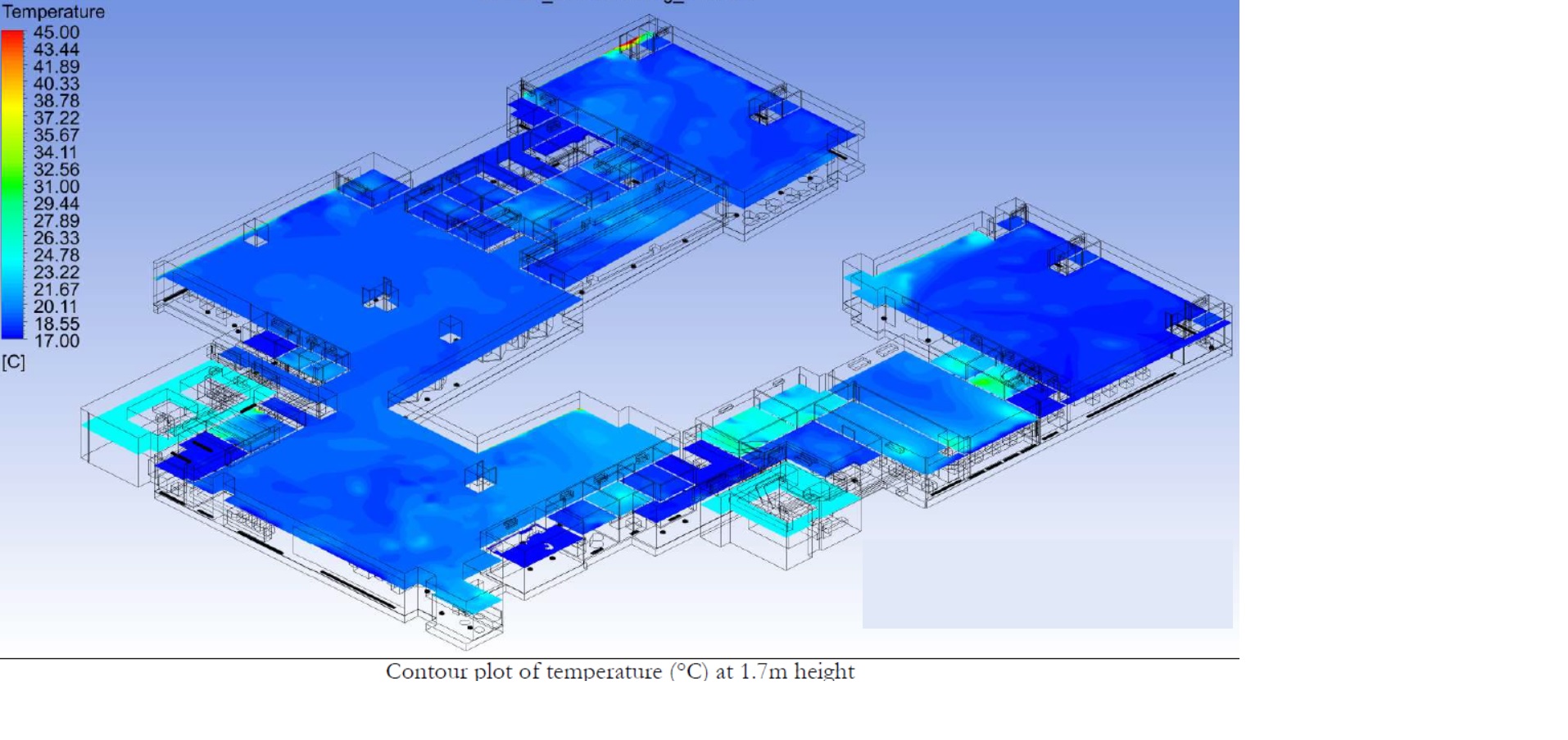
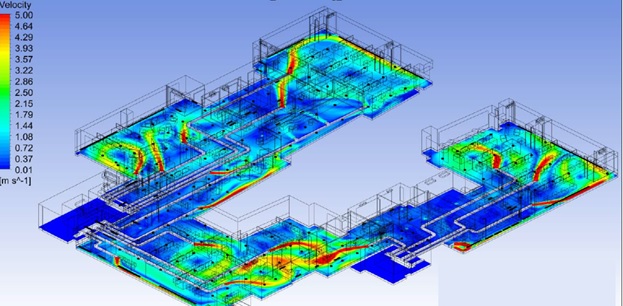
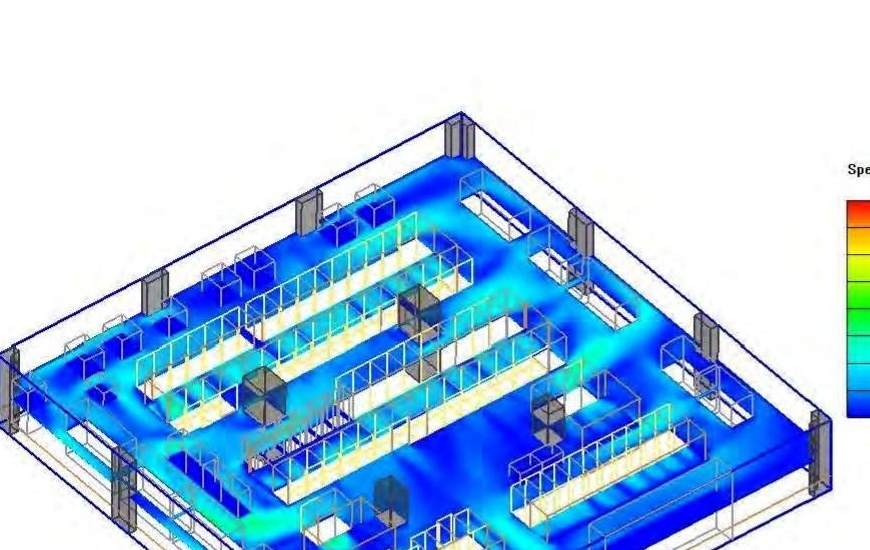
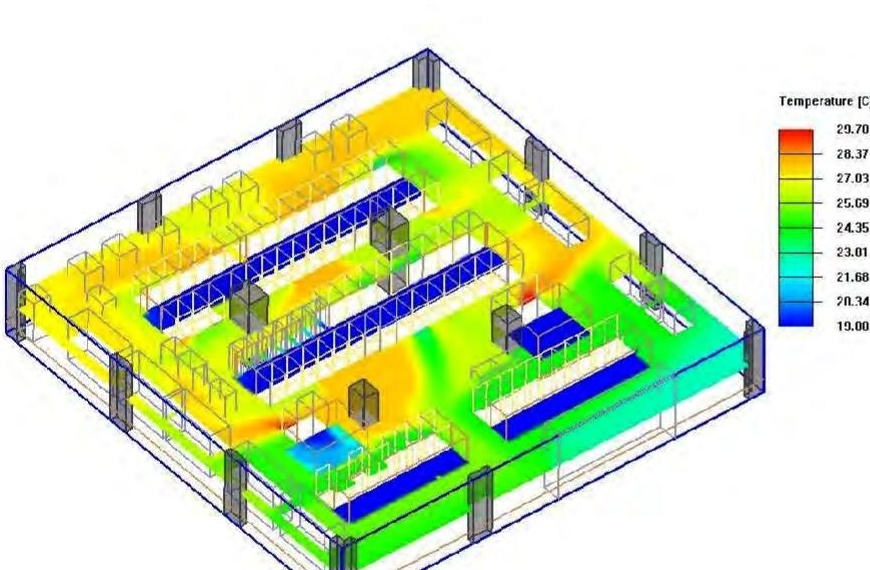
Real-world thermal & airflow simulation of a large US data center facility, conducted to ASHRAE standards using ANSYS Fluent.
Temperature distribution in and around server racks, short-circuit detection of cold/hot air mixing, and verification of sufficient cooling air supply. Air recirculation zones were identified and optimized for improved flow efficiency and PUE reduction.
Everything you need to know about Thermal Comfort Analysis services, Data Center CFD Analysis, and Europe CFD services.
CFD Analysis (Computational Fluid Dynamics Analysis) is an engineering simulation method that uses numerical algorithms to model and solve fluid flow, heat transfer, and turbulence problems. CFD Analysis is used across engineering disciplines — including Data Center CFD for thermal management, Thermal Comfort CFD for building HVAC performance, aerospace, and automotive design. SuperDesignTech specialises in CFD Analysis services for data centers and built environments using commercially licensed ANSYS Fluent and DCX Cadence software, with over 20 years of specialist CFD Analysis experience.
Data Center CFD Analysis creates a high-fidelity 3D digital twin of your facility and simulates airflow and temperature distribution across every rack, aisle, and cooling unit. This reveals inefficiencies invisible to physical sensors — bypass airflow, recirculation zones, hot spots at specific rack units — and quantifies energy waste caused by over-cooling. By correcting these in simulation first, operators typically reduce cooling energy by 10–30%, improve PUE, and eliminate hot-spot-driven server failures before they occur. All studies conform to ASHRAE TC 9.9 standards, widely adopted across the USA and Canada.
Thermal Comfort Analysis is a CFD-based engineering study predicting occupant comfort using Predicted Mean Vote (PMV) and Predicted Percentage Dissatisfied (PPD) metrics per ASHRAE 55 and ISO 7730. Buildings — offices, hospitals, airports, and schools — use Thermal Comfort Analysis services to ensure HVAC systems deliver genuine comfort, supporting LEED, BREEAM, and WELL certifications.
Data Center CFD Analysis is a thermal simulation identifying inefficient airflow patterns — recirculation zones, bypass airflow, and hot spots. By modeling these in detail, our engineers recommend targeted fixes: containment upgrades, CRAH repositioning, blanking panels, or tile placement changes that directly and measurably lower Power Usage Effectiveness (PUE) and reduce energy costs.
Yes. SuperDesignTech serves Canadian clients across Ontario, British Columbia, Alberta, Quebec, and all provinces — fully remotely. Our Data Center CFD Analysis and Thermal Comfort Analysis studies adhere to ASHRAE 55, ASHRAE TC 9.9, ISO 7730, and are compatible with the National Energy Code for Buildings (NECB) and NRC guidelines. We also serve European clients across UK, Germany, France, Netherlands, Ireland, and Sweden with EN 15251, ISO 7730, and EU Green Deal compliance.
SuperDesignTech, led by principal engineer Rohit Sharma, is a specialist Thermal Comfort Analysis provider with over 20 years of dedicated CFD experience serving USA and Canadian clients. Using licensed ANSYS Fluent, we deliver ASHRAE 55 and ISO 7730 compliant studies for offices, hospitals, data centers, and commercial buildings. Rohit's exclusive DCX Cadence training from Future Facilities London further distinguishes our technical depth.
We use ANSYS Fluent (commercially licensed) for all Thermal Comfort Analysis services. For Data Center CFD Analysis, we additionally use DCX by Cadence (formerly Future Facilities), the industry-leading purpose-built data center simulation platform. Large-scale projects use Rescale HPC cloud computing for rapid parallel simulation runs.
Yes. SuperDesignTech delivers Thermal Comfort Analysis to Canadian clients across Ontario, British Columbia, Alberta, Quebec, and all other provinces — entirely remotely. Our studies produce PMV (Predicted Mean Vote) and PPD (Predicted Percentage Dissatisfied) metrics in full compliance with ASHRAE 55 and ISO 7730, which are widely accepted by Canadian building authorities, LEED Canada assessors, and sustainability consultants. We also support WELL Building Standard submissions and BREEAM In-Use certifications for Canadian commercial and institutional buildings.
Yes — SuperDesignTech serves Canadian clients across all major provinces including Ontario, British Columbia, Alberta, and Quebec, delivered 100% remotely. Our Data Center CFD Analysis reports are structured to ASHRAE TC 9.9 standards and compatible with the National Energy Code for Buildings (NECB). Our Thermal Comfort Analysis studies meet ASHRAE 55 and ISO 7730, both widely accepted by Canadian building authorities and sustainability assessors. Canadian clients benefit from the same rigorous simulation methodology and commercially licensed software used on US and European projects.
Turnaround times depend on project complexity. A single-zone Thermal Comfort Analysis typically delivers within 5–10 business days. A full Data Center CFD Analysis report typically takes 10–20 business days. Rush timelines are available — contact us to discuss your schedule. All projects are conducted 100% remotely for clients in USA, Europe, and Canada.
SuperDesignTech is a specialist CFD Analysis consultancy with over two decades of focused experience in Thermal Comfort Analysis services and Data Center CFD Analysis. Unlike generalist engineering firms, every project we take on is a CFD simulation — meaning our depth of expertise in airflow modeling, turbulence settings, solver configuration, and post-processing visualization is unmatched.
Our Data Center CFD Analysis service uses DCX by Cadence, the industry-leading purpose-built data center simulation platform, alongside licensed ANSYS Fluent for complex thermal-fluid cases. This dual-software capability means we can model everything from a single server hall to a multi-building campus — including raised-floor plenum dynamics, CRAC/CRAH airflow, liquid cooling loops, and containment configurations.
For Thermal Comfort Analysis services, we apply ASHRAE 55, ISO 7730, and EN 15251 frameworks to deliver compliance-ready PMV/PPD reports that satisfy planning authorities, sustainability assessors, and building operators across the USA, Canada, and Europe.
Our Europe CFD services are delivered entirely remotely, allowing us to serve clients in any time zone across the continent. We have delivered Data Center CFD Analysis projects for colocation providers and hyperscale operators in the United States, Thermal Comfort Analysis reports for commercial developers in the United Kingdom and Germany, and airflow optimization studies for facilities throughout France, Netherlands, Ireland, and Canada.
For US and Canadian clients, our Data Center CFD Analysis adheres to ASHRAE TC 9.9 thermal guidelines and the A1–A4 server environmental classifications. Canadian projects additionally reference National Energy Code for Buildings (NECB) performance targets where applicable. European clients benefit from our familiarity with EN 15251, ISO 7730, and EU Green Deal frameworks.
Whether you are designing a new facility, troubleshooting an existing one, or seeking to improve PUE as part of a sustainability initiative, our CFD Analysis team is ready to support your project. SuperDesignTech is a trusted specialist in CFD Analysis services across the USA and Canada. Whether you are an engineering firm in Toronto, a data center operator in Vancouver, an HVAC consultant in Calgary, or an architect in New York or Chicago, our rigorous, commercially validated simulation studies deliver the engineering evidence your project requires. Contact us today for a free consultation.
Whether you need Data Center CFD analysis, Thermal Comfort Analysis CFD for a commercial building, or specialist CFD Analysis from proven CFD Specialists — we're ready to run the numbers for your US or Canadian project. No obligation.
Whether you're planning a new data center, optimizing an existing facility, or need Thermal Comfort Analysis certification for a building project — we're ready to run the numbers. Reach out for a no-obligation consultation.
Fill out the form below and Rohit will respond within one business day. Your inquiry goes directly to rohit@superdesigntech.com.